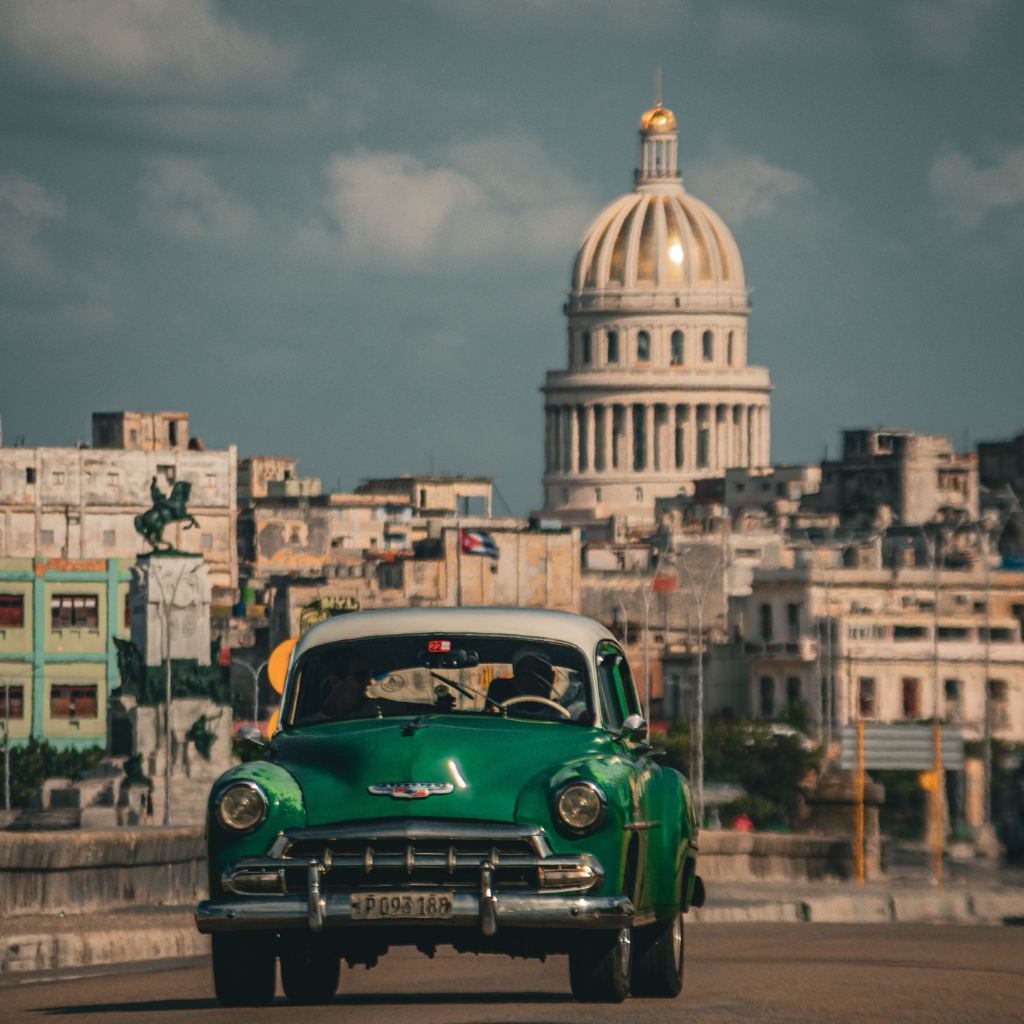
Cuba’s Rhythm: A Journey Through History, Culture, and Contradiction
There is a distinct rhythm in Cuba—a steady pulse running down the center of the island and through the daily lives of its people. You hear it in the percussion drifting from open doorways, feel it in the cadence of street corner conversations, and see it in how Havana’s historic avenues turn ordinary afternoons into vibrant theater.
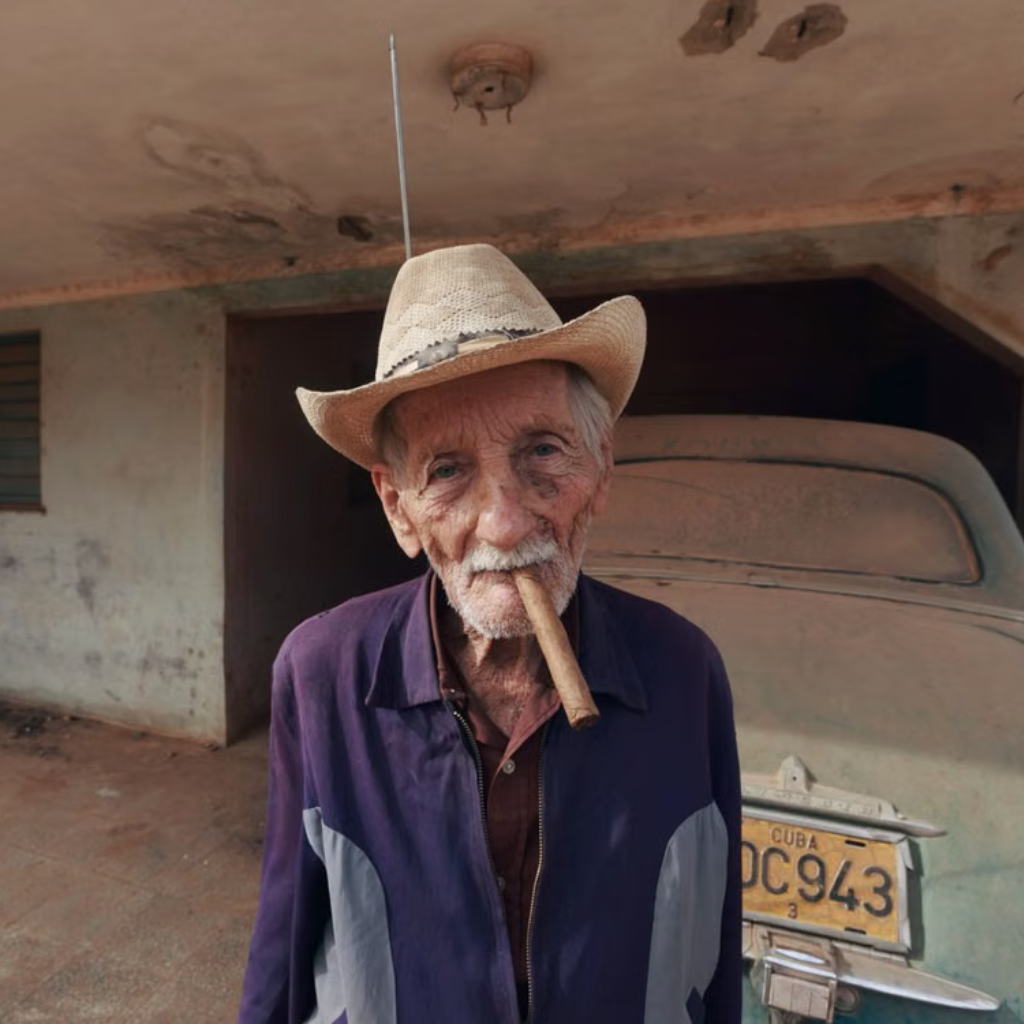
Cuba is often imagined through iconic imagery: classic American cars, hand-rolled cigars, pastel facades, salsa music, and bright Caribbean waters. While genuine, these images only scratch the surface. The deeper story is one of endurance, ingenuity, memory, and contrast:
Grand mansion’s weather under the tropical sun.
Colonial plazas maintain timeless elegance alongside the bustling demands of daily life.
Music and community flourish within a rich, complex political and economic history.
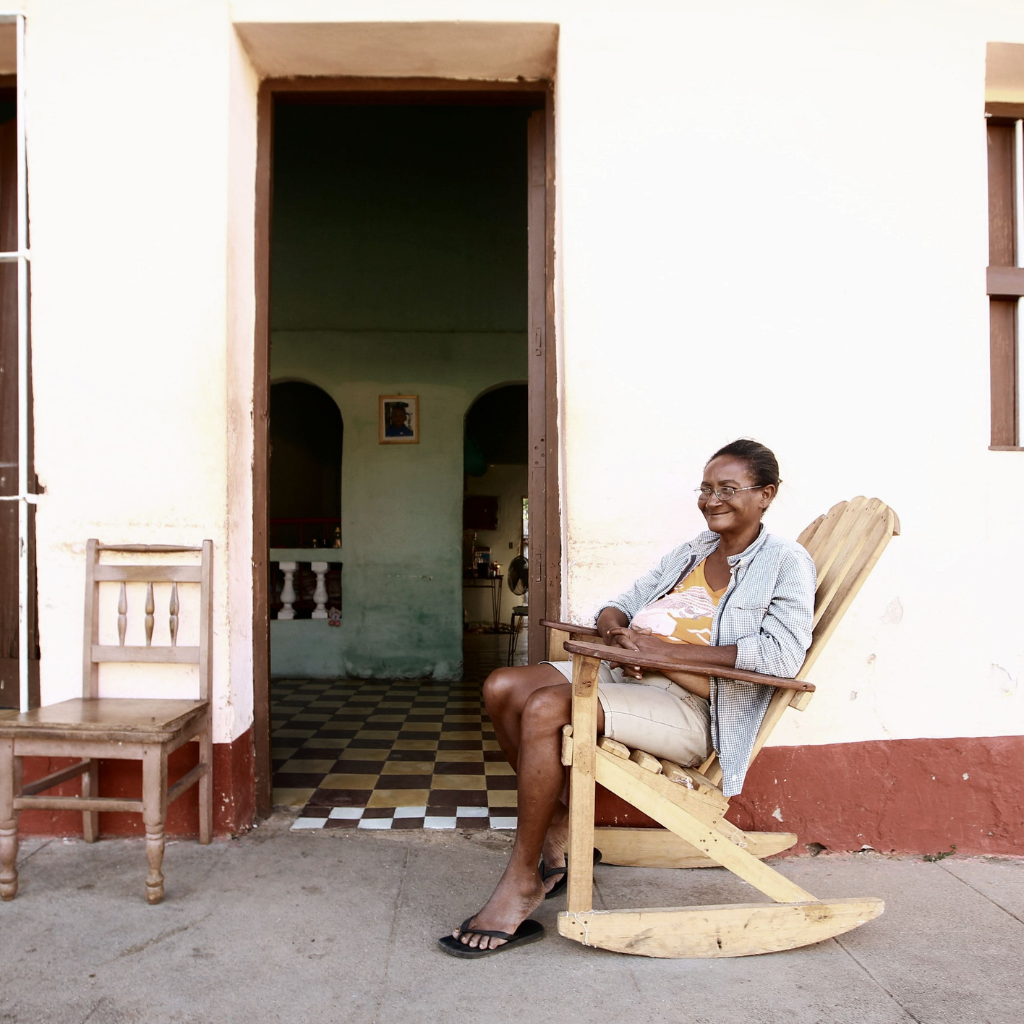
For travelers and storytellers alike, Cuba offers a setting where history never feels safely confined to the past. Yet, alongside its sweeping historical narrative, Cuba remains deeply intimate—found in a rocking chair on a shaded porch, a tiny cup of fresh coffee, or neighbors exchanging stories across balconies as evening settles in.
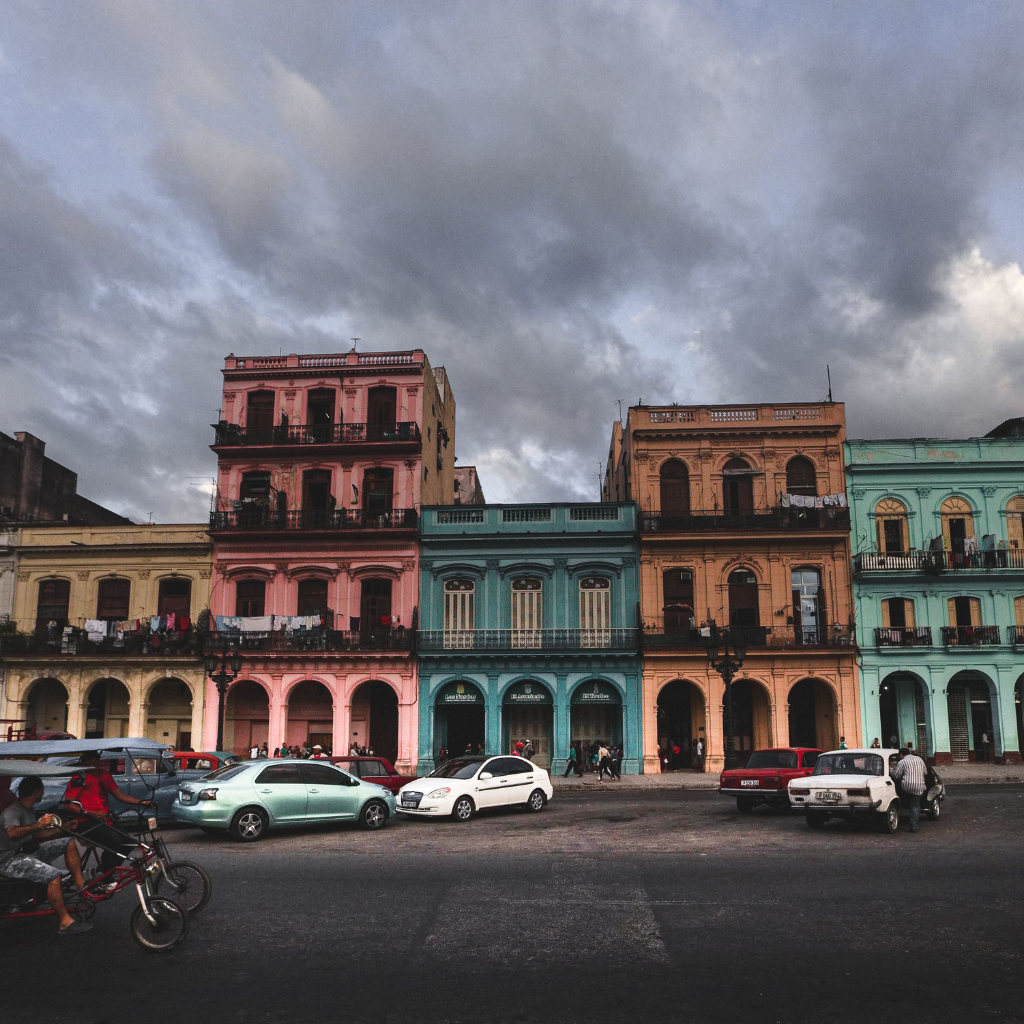
Havana: Beauty, Memory, and Movement
Havana deeply rewards those who take the time to slow down.
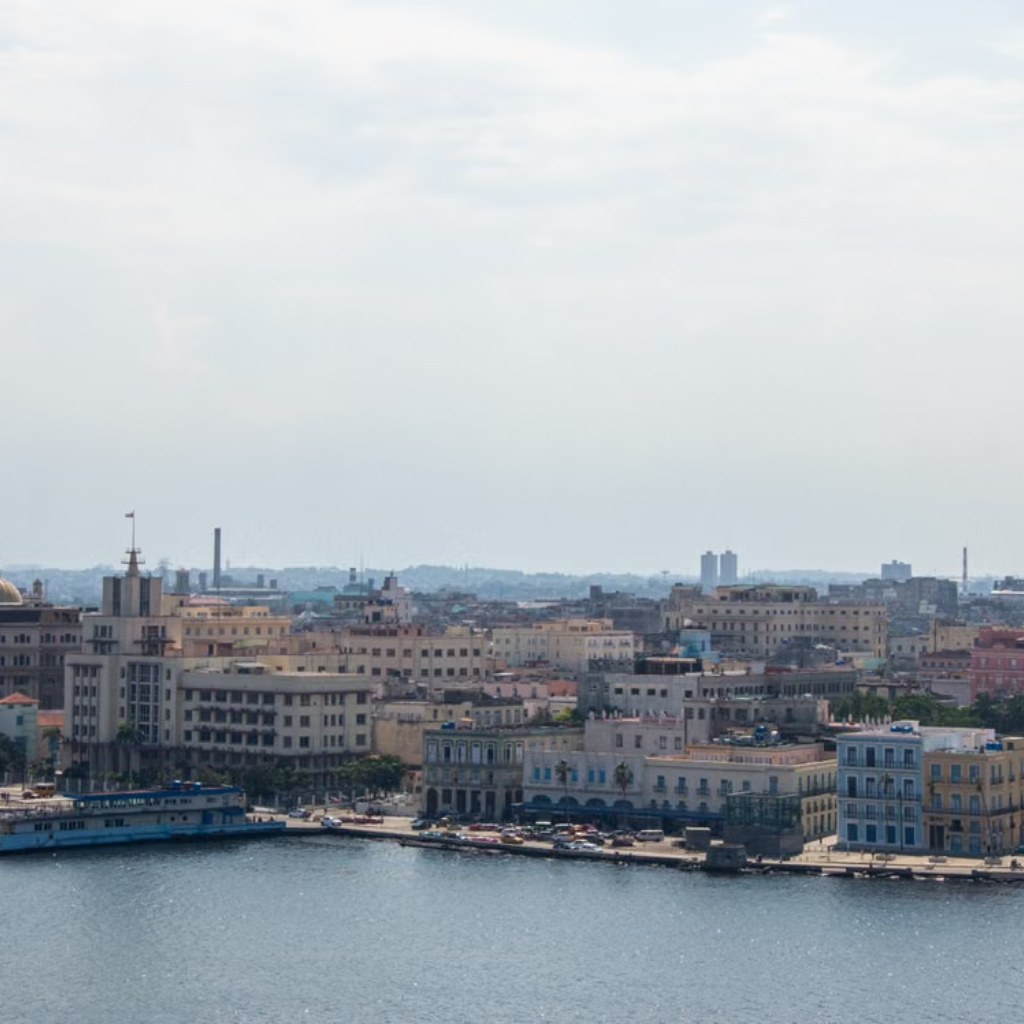
Old Havana (Habana Vieja): A historic core of plazas, churches, fortifications, and narrow streets reflecting centuries of Spanish colonial architecture, maritime trade, and preservation. Key highlights include Plaza de la Catedral, Plaza Vieja, and the bustling streets near the harbor.
The Malecón: Havana’s iconic waterfront promenade. By day, waves crash against the seawall under the Caribbean sun; by dusk, locals gather to fish, play music, and watch the light fade over the water.
Modern Havana: Beyond the historic center, Vedado showcases 20th-century ambition with broad avenues, hotels, and nightlife, while Miramar’s grand villas reflect an era of international diplomacy.
The Heartbeat of Music: Son, rumba, bolero, jazz, timba, and salsa are not museum pieces here—they are a living vocabulary combining African, Spanish, and Caribbean heritage into pure rhythm.
Viñales: Tobacco Country Beneath the Mogotes
West of Havana, the dramatic landscape opens into the lush Viñales Valley, where rounded limestone hills (mogotes) rise dramatically above rich red soil and traditional farming land.
Local Interactions: A farm visit offers an unvarnished look at how tobacco is planted, harvested, and cured. Engaging with local hosts respectfully provides authentic insight into rural life.
Outdoor Exploration: Beyond agriculture, Viñales invites hiking, horseback riding, cave exploration, birdwatching, and quiet landscape observation.
Central Cuba: Trinidad & Cienfuegos
Trinidad
Trinidad feels timeless with its cobblestone streets, tiled roofs, vibrant facades, and historic courtyards. Beyond its picture-perfect aesthetic lies the history of the sugar trade in the nearby Valley of the Sugar Mills.
By Day: Sunlight sharpens the vibrant colors of colonial architecture.
By Night: Live music fills open stairways, courtyards, and local gathering spots.
Cienfuegos & Camagüey
Cienfuegos: Features elegant urban design with strong French architectural influences overlooking a sweeping bay.
Camagüey: Famous for its maze-like streets designed to confuse early pirates, leading visitors past hidden courtyards, historic churches, and giant clay water jars (tinajones).
Santiago de Cuba & The Island’s Eastern Soul
Set between the mountains and the sea, Santiago de Cuba carries a distinct personality shaped by Afro-Cuban traditions, vibrant carnival culture, and revolutionary history.
San Pedro de la Roca: The historic fortress standing guard above Santiago Bay highlights the island’s strategic coastal importance.
Ecological Richness: Alejandro de Humboldt National Park showcases incredible biodiversity, endemic species, and protected coastal habitats.
Coastal Ecosystems & Responsible Travel
From the pale sands of Varadero to the pristine reefs of Jardines de la Reina and the wetlands of the Zapata Peninsula (Bay of Pigs), Cuba’s natural environment is as captivating as its cultural history.
Responsible Travel Note: Protect coral reefs and natural habitats by choosing eco-conscious local guides, reducing plastic waste, and respecting wildlife guidelines.
An Important Note for U.S. Travelers
Travel regulations depend on nationality and jurisdiction. As of July 2026, U.S. law continues to restrict straightforward tourist travel to Cuba for individuals subject to U.S. jurisdiction. Travel must fall under specific authorized categories, and travelers must comply with current U.S. Treasury (OFAC), State Department, and immigration guidelines. Always consult official government resources prior to planning.
Why Cuba Stays With You
Cuba cannot be reduced to a checklist. Its power lies in cumulative moments: music drifting through wooden shutters, waves breaking on the Malecón, the scent of cured tobacco, and warmth in long conversations. It is romantic yet resilient, timeless yet evolving—and that complexity is precisely what makes it unforgettable.