Washington, D.C : Power, Memory, and the City Beyond the Monuments
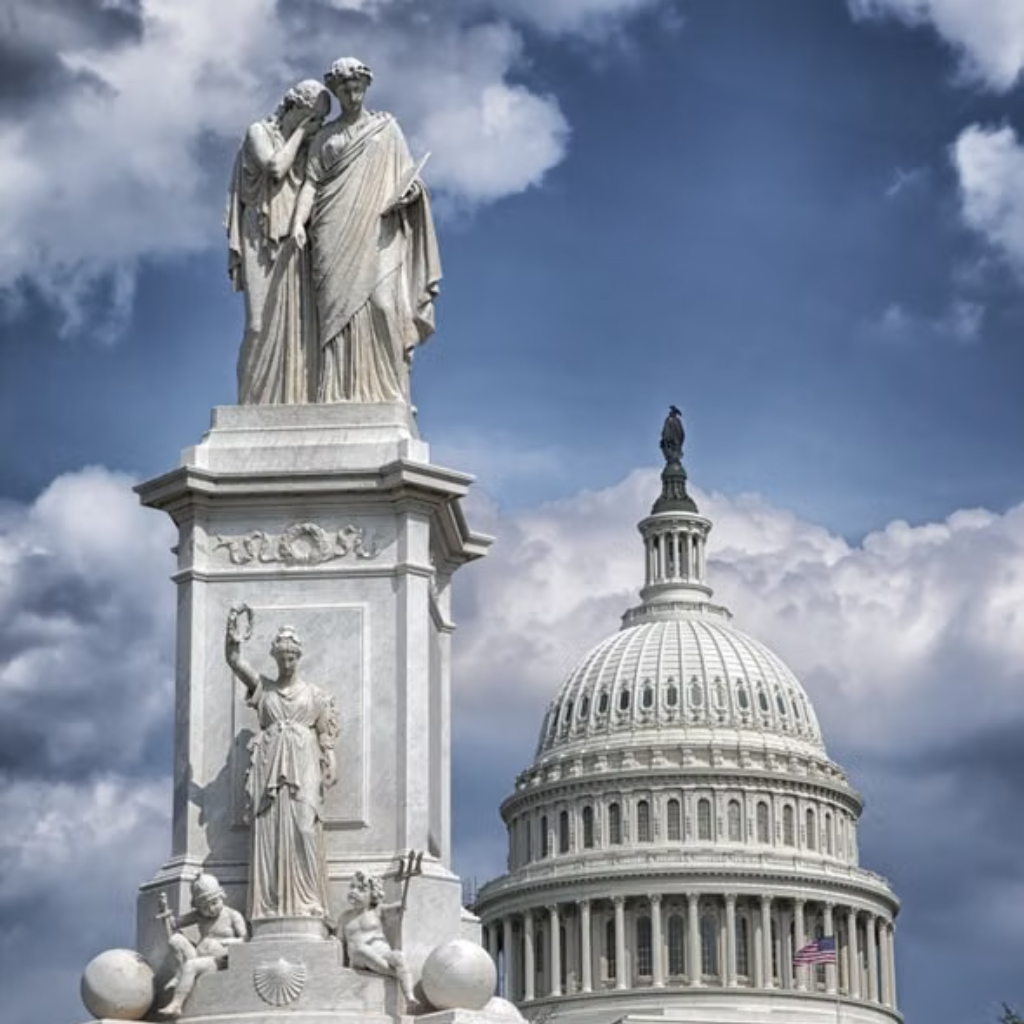
Washington, D.C. is designed to communicate power. Broad avenues create dramatic sight lines. White stone monuments rise above open lawns. The Capitol crowns one end of the National Mall, while memorials, museums, and federal buildings give the city the visual language of a national stage.
Yet Washington is never only what appears on television. Beyond motorcades, hearings, embassies, and marble corridors is a city of neighborhoods, universities, music, food, parks, families, artists, entrepreneurs, and people whose work has nothing to do with elected office. The most rewarding visit holds both versions of Washington at once: the monumental capital and the lived-in city.
For Stan Shanbron’s readers, Washington carries special electricity. It is a natural setting for a political thriller because decisions made behind a single closed door can travel across continents. But suspense does not come only from famous buildings. It comes from contrast—the quiet row house near a center of power, the late-night restaurant where alliances form, the embassy reception where every introduction has a second meaning.
Begin With the National Mall
The National Mall is the clearest introduction to Washington’s public identity. It connects institutions and landmarks that tell competing, overlapping versions of the American story. Visitors can move between the U.S. Capitol, Washington Monument, Lincoln Memorial, memorials honoring veterans, and museums exploring art, science, aviation, Indigenous history, African American history, and more.
Many Smithsonian museums and the National Zoo offer free admission, making Washington unusually accessible for museum lovers. “Free,” however, does not always mean spontaneous. Popular institutions may require timed-entry passes, and security procedures can add time. Check official museum pages before arriving.
Pacing Your Visit: Trying to see everything in one day is the fastest way to miss the experience. The Mall is larger than it appears, and museums contain far more than any visitor can absorb in a few hours. Choose one or two museums, add several outdoor landmarks, and leave room for reflection.
Timing the View: Visit the monuments at different times. Early morning brings softer light and fewer people. Evening transforms familiar stone into something more cinematic. The Lincoln Memorial looking toward the Washington Monument after dark remains one of the capital’s most powerful views.
The Capitol, White House, and Civic Architecture
The U.S. Capitol is both a working building and a symbol recognized around the world. Tours reveal art, architecture, and history, but the deeper impression comes from understanding that legislative work continues inside while visitors move through public spaces.
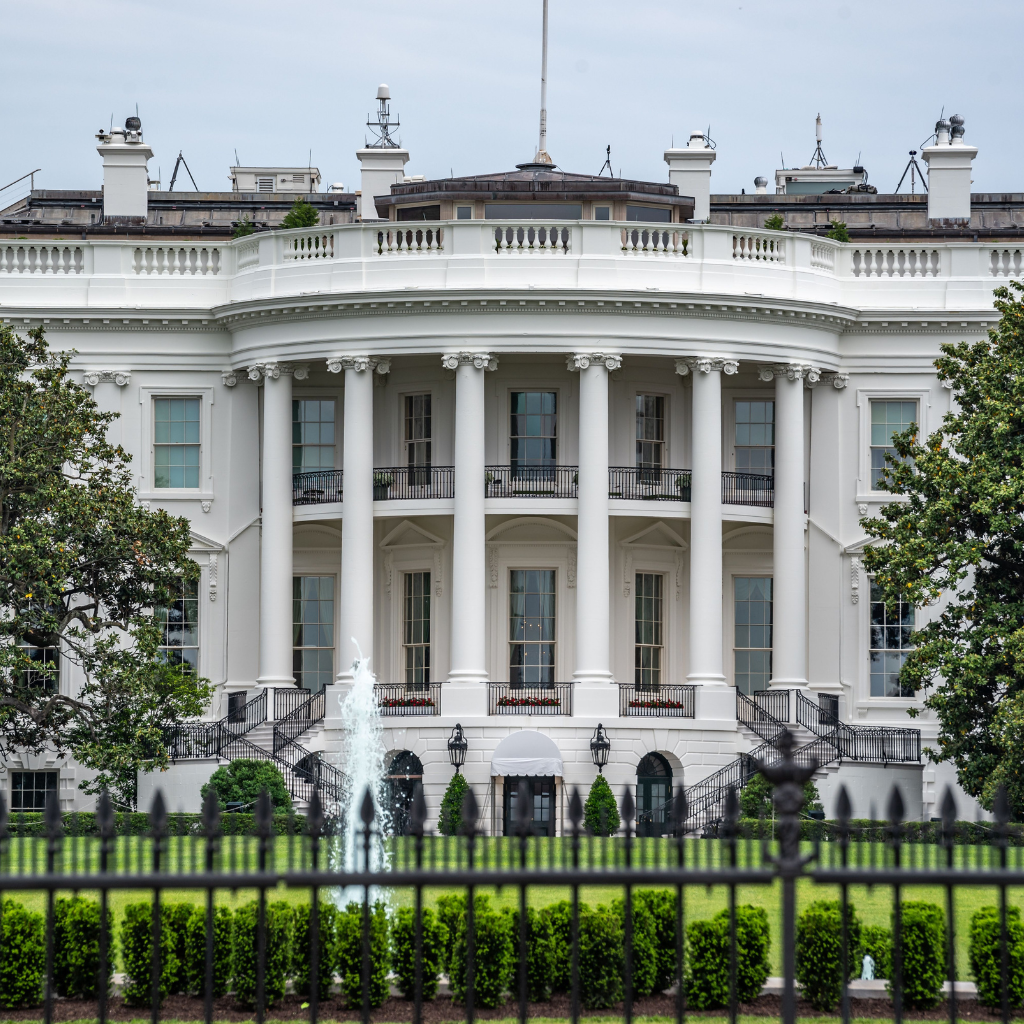
The White House is similarly layered: residence, office, diplomatic stage, security zone, and international image. Public tours require advance planning and eligibility procedures. Even viewing the building from outside gives a sense of how tightly ceremony and security coexist.
Elsewhere, the Supreme Court, Library of Congress, National Archives, and federal buildings add complexity to the city’s civic landscape. The Library of Congress is especially rewarding for its architecture and exhibitions. The National Archives draws visitors to founding documents, but its broader holdings also demonstrate how national memory is preserved, organized, and interpreted.
Cherry Blossoms and the Tidal Basin
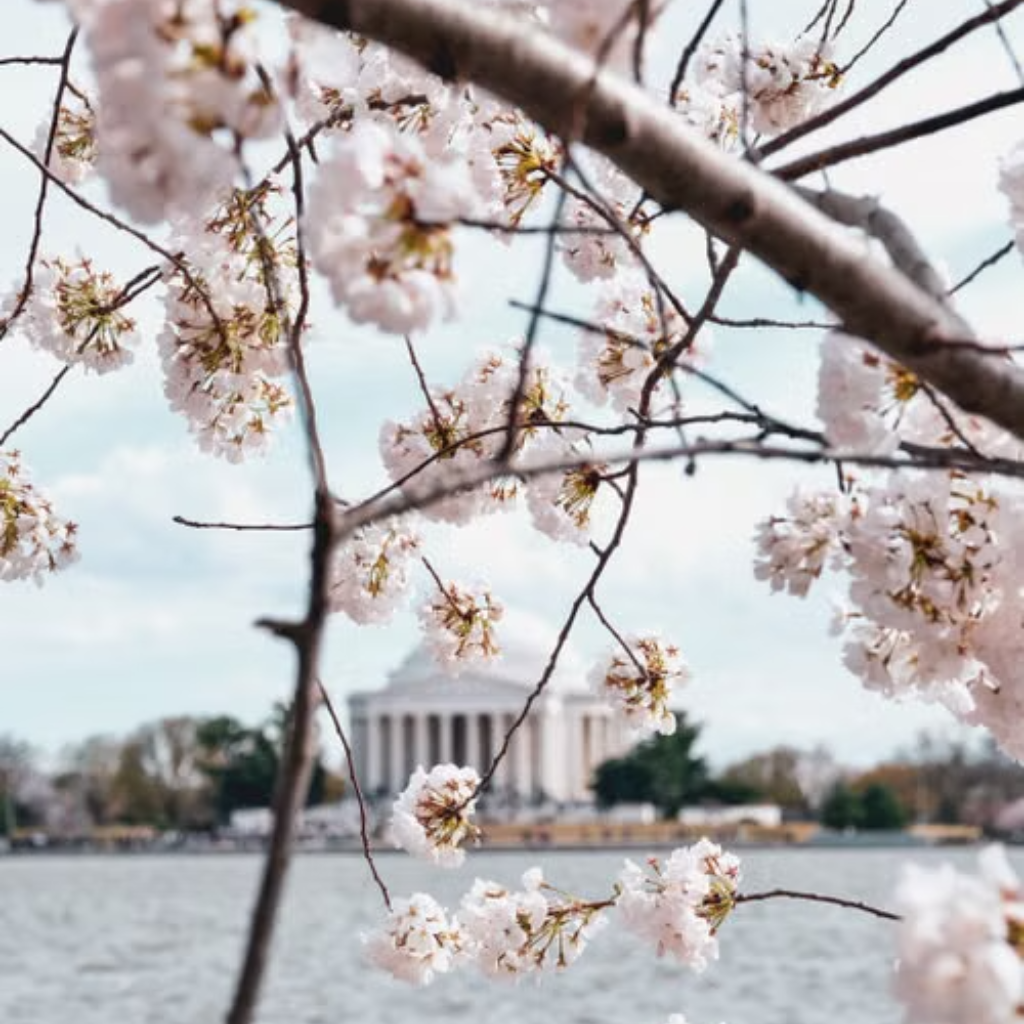
Spring is Washington’s most celebrated season. Cherry trees around the Tidal Basin create a luminous frame for the Jefferson Memorial and nearby landmarks. Peak bloom varies with weather, and the most famous viewpoints can become intensely crowded.
The solution is not to dismiss the experience but to approach it intelligently. Go early, use public transportation, expect walking, and consider blossoms beyond the busiest portion of the basin. The festival atmosphere extends through performances, exhibitions, neighborhood events, and cultural programs.
Autumn: Equally compelling, with cooler temperatures and color in parks and residential streets.
Summer: Can be hot and humid, but long daylight hours and evening programs offer advantages.
Winter: Brings quieter museums, crisp views, and a more austere version of the capital.
Neighborhoods That Change the Story
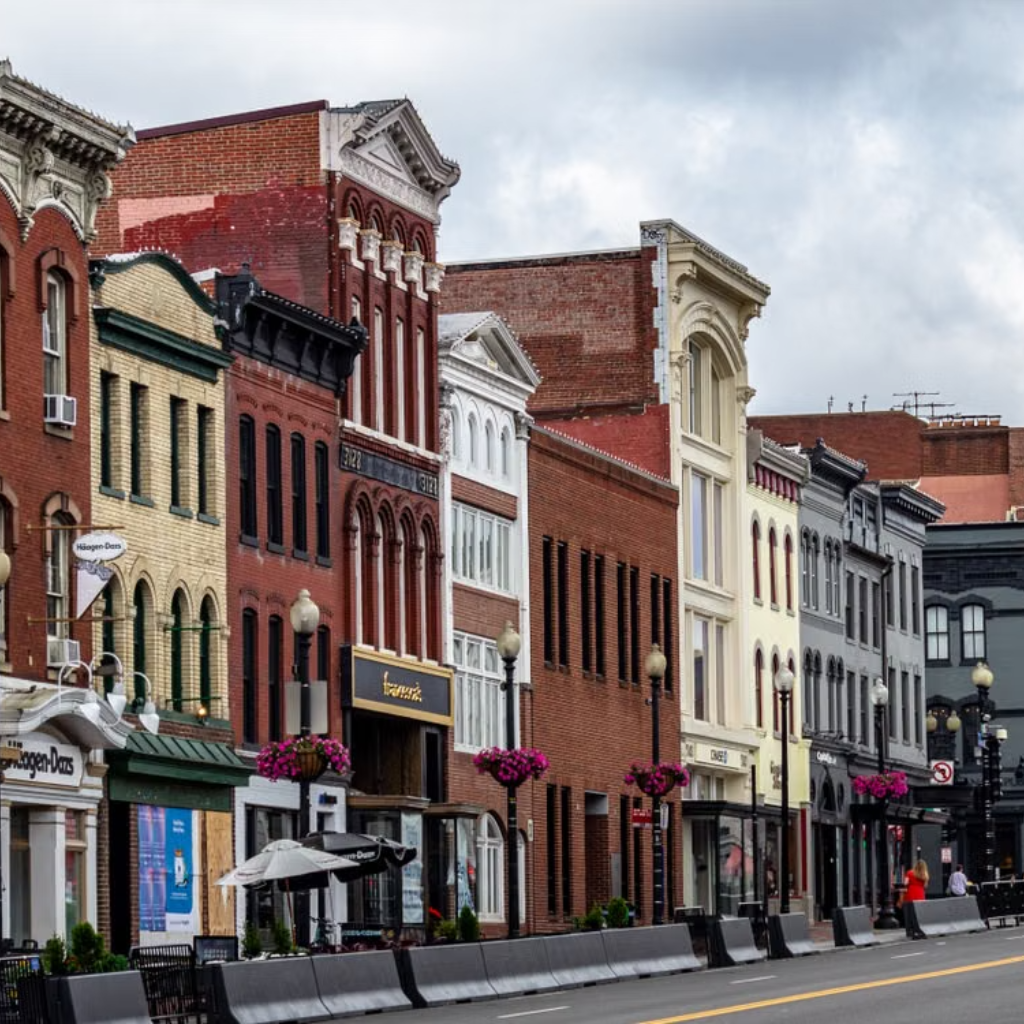
Georgetown & Capitol Hill: Georgetown’s historic streets, waterfront, university presence, shops, and houses make it one of the city’s best-known neighborhoods. Its charm is genuine, but it represents only one facet of Washington. Capitol Hill extends beyond the dome into residential blocks, Eastern Market, parks, restaurants, and community life.
Dupont Circle, Adams Morgan, Shaw & U Street: Dupont Circle combines embassies, museums, bookstores, architecture, and an international rhythm. Adams Morgan is known for nightlife and global dining. Shaw and U Street carry deep connections to Black history, music, culture, and contemporary creativity.
Waterfronts & Anacostia: The Wharf has transformed the Southwest waterfront into a destination for dining, music, and river views. Navy Yard and Capitol Riverfront offer another modern waterfront experience. Union Market and nearby neighborhoods bring food, design, and new development together. Anacostia, east of the river, has significant history and cultural institutions and deserves to be approached as a community—not as an “undiscovered” backdrop.
Neighborhood exploration turns Washington from a civics lesson into a city. It also reveals ongoing debates over preservation, development, affordability, and belonging.
A Global Dining Capital
Washington’s international population is reflected in its restaurants. Ethiopian cuisine is an essential part of the city’s dining identity, and visitors can also find exceptional Salvadoran, Vietnamese, Korean, Middle Eastern, West African, Caribbean, and other global traditions across the region.
The city’s food story includes celebrated tasting menus, historic establishments, neighborhood bakeries, food halls, carryouts, and institutions connected to political culture. A booth or bar seat may have witnessed decades of conversations between journalists, staffers, diplomats, lobbyists, and visitors.
Do not choose restaurants only for political fame. Some of Washington’s most memorable meals come from communities that rarely appear in national coverage. Explore beyond the federal core and, when possible, make reservations.
Espionage, Diplomacy, and the Thriller Imagination
Washington invites speculation because much of its influence is invisible. Official buildings tell only part of the story. Think tanks, law firms, media organizations, defense contractors, diplomatic missions, universities, nonprofits, and private clubs all participate in the city’s ecosystem of information and access.
This does not mean every café contains a conspiracy. It means the city is built around networks. People move between government and private industry. Ideas cross from research papers to policy discussions. A conversation held in one room can affect decisions in another.
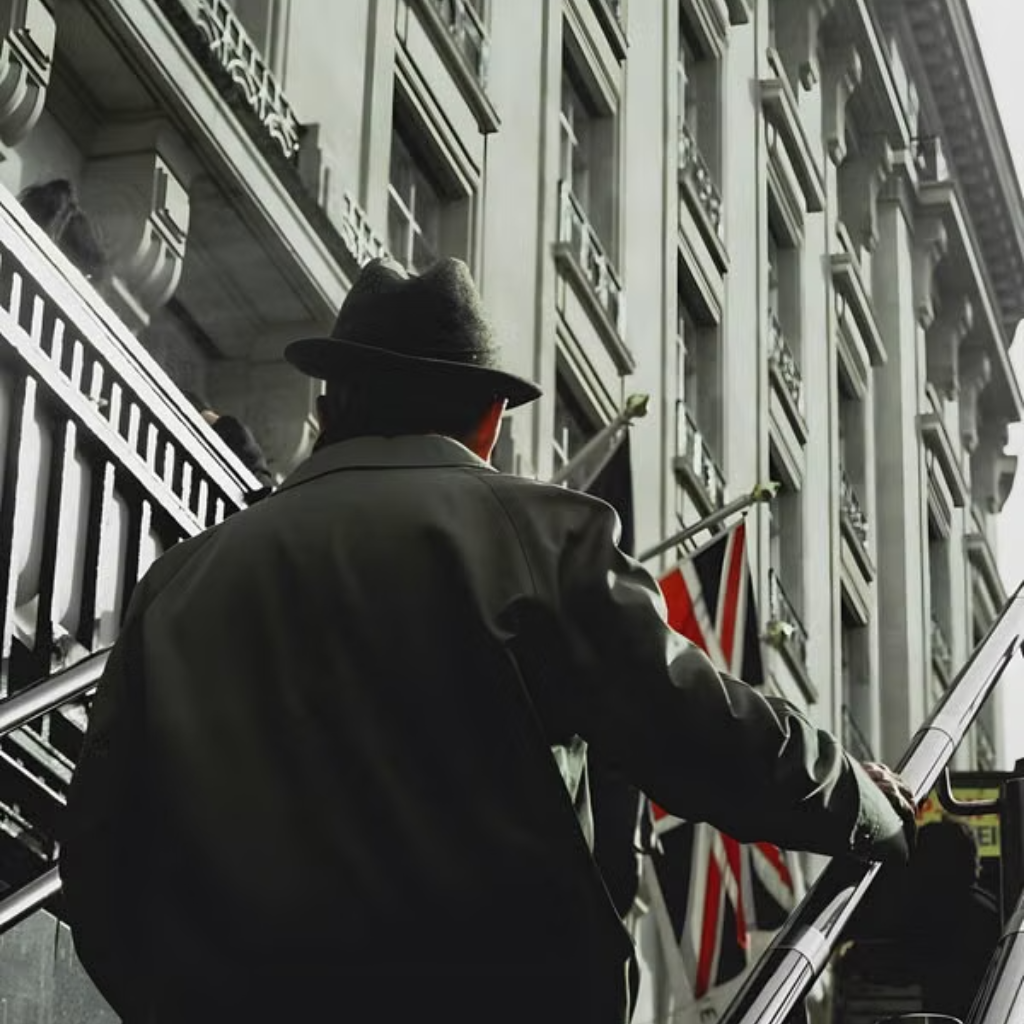
Embassy Row and the broader diplomatic community make Washington an international city in a literal sense. Flags, residences, cultural institutes, and diplomatic events connect the capital to global priorities. For a writer, that creates endless narrative possibilities: a message passed at a reception, a meeting disguised as a museum visit, a source watching the exits in a hotel lobby.
Visitors interested in that dimension can explore museums and historic sites connected to journalism, diplomacy, law enforcement, military history, and intelligence. The goal is not to chase movie mythology, but to understand how information and institutions shape national life.
Practical Ways to Experience Washington
Transit: Use Metro and walk whenever possible. Driving and parking near major attractions can be stressful, while distances on the Mall are longer than a map suggests. Comfortable shoes are essential.
Itinerary Planning: Build each day around one geographic area. Pair Capitol Hill with the Library of Congress and Eastern Market. Combine the Tidal Basin with nearby memorials. Explore Dupont Circle with Embassy Row and Phillips Collection. Give Georgetown and the waterfront their own block of time.
Flexibility: Check current security rules, timed-entry requirements, closures, and event schedules directly with official institutions. Washington changes with demonstrations, ceremonies, construction, state visits, and security needs. Flexibility is part of visiting a working capital.
The City Behind the Seal
Washington, D.C. is often described as a bubble, but the description is incomplete. The city is a crossroads where national ideals meet human ambition and where public language often hides private negotiation. It is also a hometown with ordinary routines, local loyalties, and communities older than many of the institutions visitors come to see.
Stand on the Mall and the city looks formal, almost choreographed. Turn onto a residential street, enter a neighborhood restaurant, or sit in a park and a more intimate Washington emerges.
That tension is what makes the capital unforgettable—and what makes it perfect territory for political fiction. Washington is full of visible symbols and invisible relationships. The monuments tell visitors what the country chooses to remember. The rest of the city asks who made those choices, who benefits from them, and what happens next.